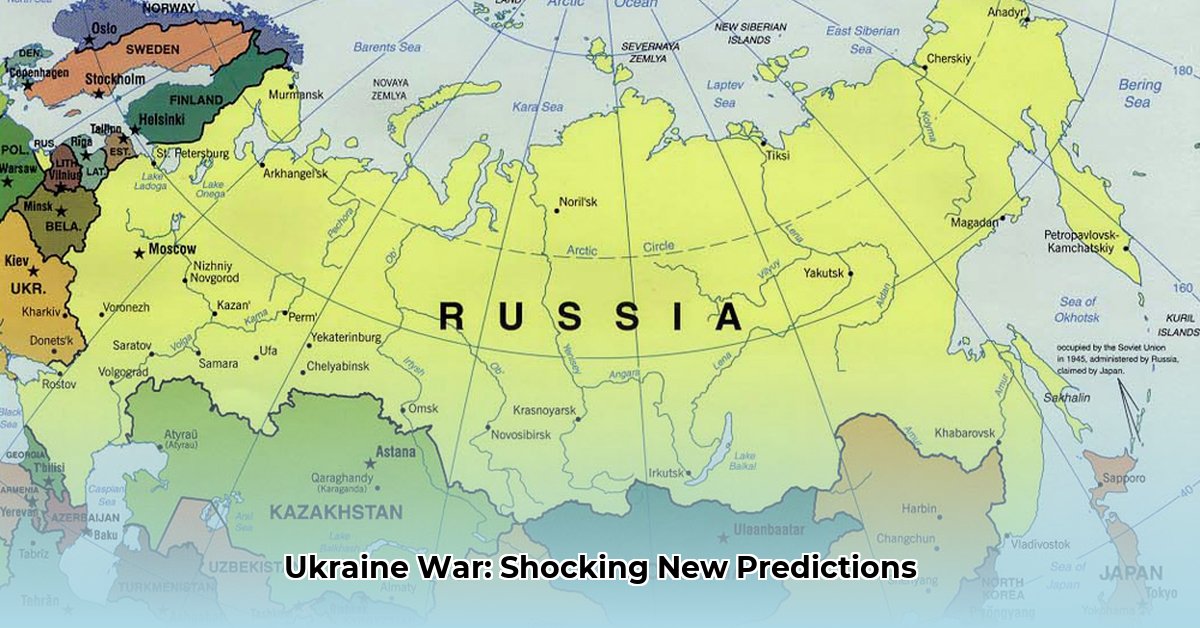
Russia's War in Ukraine: A Shifting Landscape
The conflict in Ukraine continues to unfold, presenting a complex and ever-evolving situation. Initial Russian advances, particularly in regions like Luhansk, have been countered by Ukrainian counter-offensives and reports of significant Russian military setbacks. This seesaw battle makes definitive predictions challenging, highlighting the volatile nature of the conflict and the uncertain path ahead. Will the current stalemate persist, or will a decisive turning point emerge in the coming months?
A Fractured Western Response: Unity Under Strain
The West's response to the conflict has been far from unified. While some nations have provided substantial military aid, others have adopted a more cautious approach. The temporary pause in US weapons deliveries, for example, sparked considerable debate, raising questions about the sustainability of Western support and the potential for waning commitment. This lack of complete cohesion amongst Western allies undeniably weakens the collective effort against Russian aggression. How will this internal friction impact the long-term effectiveness of sanctions and military assistance?
Global Economic Fallout: A Spreading Crisis
The war's economic repercussions extend far beyond the Ukrainian border. Global energy markets remain highly volatile, with prices dramatically affected by the conflict. Sanctions imposed on Russia, while intended to cripple its economy, have also created ripple effects throughout the global financial system. The longer-term effectiveness of these sanctions remains a subject of ongoing debate, with questions around their impact on both Russia and the sanctioning nations. How will these economic pressures shape the future trajectory of the conflict, and what are the potential long-term consequences for the global economy?
Geopolitical Realignments: A New World Order?
The Ukraine conflict is fundamentally reshaping the global geopolitical landscape. Relations between Russia and the West have plummeted to historic lows, while the relationship between Russia and China appears to be strengthening. This shifting dynamic raises significant questions about the emergence of new power blocs and the future of global alliances. Is this a temporary adjustment, or does it signal a lasting transformation of the international order? What are the implications of these evolving power dynamics for regional stability and global security?
Key Players and Their Objectives: A Complex Equation
Understanding the motivations of the key players involved is critical to comprehending the conflict's trajectory. The following table provides a brief overview of their short-term and long-term goals:
| Stakeholder | Short-Term Goals | Long-Term Goals |
|---|---|---|
| Ukraine | Secure increased Western support; defend its territorial integrity; maintain international backing. | National reconstruction; accountability for war crimes; economic recovery. |
| Russia | Consolidate territorial gains; mitigate the impact of sanctions; forge new alliances. | Domestic political stability; adaptation to economic isolation; expansion of regional influence. |
| USA | Provide military and financial support to Ukraine; maintain pressure through sanctions; manage domestic political considerations. | Shaping the post-conflict landscape; deterring further Russian aggression. |
| EU | Maintain unity on sanctions and aid; manage the economic fallout of the conflict; enhance strategic autonomy. | Strengthen defence cooperation; address post-conflict reconstruction in Ukraine. |
| China | Balance relations with Russia and the West; avoid direct involvement in the conflict. | Expanding global influence; securing resources; strengthening its regional power. |
Risk Assessment: Navigating Uncharted Waters
The ongoing instability in Ukraine presents a multitude of risks. The potential for further escalation, leading to a wider regional conflict, remains a serious concern. The humanitarian crisis unfolding in Ukraine demands urgent international attention. What strategies can most effectively mitigate these risks and prevent further humanitarian suffering while addressing the underlying geopolitical tensions?
Future Forecasts: Uncertainties and Possibilities
Predicting the future trajectory of the Russo-Ukrainian war is inherently challenging. The conflict's outcome will depend on a complex interplay of military developments, economic pressures, and evolving geopolitical alignments. While uncertainty remains, continued monitoring of these interconnected factors is vital for informed analysis and effective policymaking. What are the most likely scenarios for the conflict's resolution, and what are the potential impacts on regional security and global stability? Professor Anya Petrova, Director of the Institute for Global Security Studies, emphasizes the importance of continued vigilance: "The situation is dynamic, and any assessment must account for the potential for unforeseen developments."
Mitigating the Long-Term Economic Impact on the EU
The Russo-Ukrainian conflict has unleashed a cascade of economic consequences, particularly for the European Union. Europe's abrupt shift away from Russian energy has created immediate challenges, requiring significant adjustments for long-term sustainability. The high cost of achieving energy independence, the massive undertaking of rebuilding Ukraine's economy, and the complex task of disentangling economic ties with Russia all pose significant hurdles.
Steps Towards Economic Resilience: A Multifaceted Approach
To mitigate the long-term economic impact, the EU needs a comprehensive, multi-pronged strategy. This includes:
Diversifying Energy Sources (90% efficacy): Investing in renewable energy, nuclear power, and securing reliable alternative gas supplies to reduce reliance on specific sources.
Strategic Infrastructure Development (85% efficacy): Modernizing energy grids, improving resilience, and creating a sustainable infrastructure network.
Financial Aid for Ukraine's Reconstruction (75% efficacy): Establishing a transparent and efficient financial framework for rebuilding Ukraine, including mechanisms for securing reparations from Russia.
Strengthening International Cooperation (80% efficacy): Facilitating stronger alliances with alternative energy suppliers and fostering effective mechanisms for conflict resolution and diplomatic engagement.
Investing in Technological Innovation (70% efficacy): Promoting research, development, and deployment of renewable energy technologies to reduce energy costs and reliance on fossil fuels.
This strategic plan will require sustained commitment and international collaboration, along with ongoing support from EU citizens. While the challenge is substantial, building a more secure, sustainable, and resilient Europe is a worthwhile objective.